England has plenty of famous cities and tourist attractions, but some of its most interesting places are much smaller. Old market towns often have centuries of history hidden in their streets, buildings and local traditions.
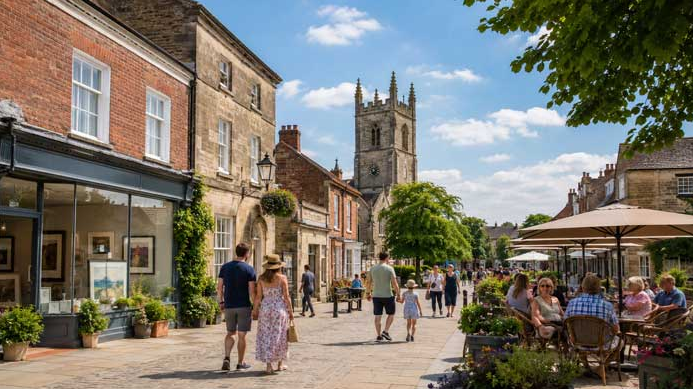
Thirsk, in North Yorkshire, is a good example. It has a traditional market square, historic buildings, independent shops and places to eat. It is also closely connected with the writer and veterinary surgeon James Herriot.
For visitors who enjoy history without the crowds of a large city, a town like Thirsk can be a good place to spend a day.
A market town with a long history
Thirsk has been a trading centre for centuries. Its history goes back to the Anglo-Saxon period, and the town was recorded in the Domesday Book in 1086.
Markets became an important part of local life during the medieval period. Farmers, traders and residents from nearby villages travelled to Thirsk to buy and sell animals, food and other goods.
The market square remained the centre of this activity. Even today, it is one of the first places visitors notice when walking through the town.
The surrounding buildings also tell part of the story. Many reflect the town’s development during the eighteenth and nineteenth centuries, when agriculture, trade and transport helped support the local economy.
Historic buildings and local character
One of the interesting things about small English towns is that their history is often visible without needing to visit a large museum.
In Thirsk, old streets, traditional buildings and the market square give visitors a sense of how the town developed.
St Mary’s Church is another important part of the town’s heritage. The present church was largely rebuilt during the fifteenth century, and its architecture reflects the importance of religion and community life at that time.
Thirsk is also known for James Herriot, the pen name of veterinary surgeon Alf Wight. His books about working as a country vet introduced readers around the world to life in rural Yorkshire.
His former home and veterinary practice are now associated with the World of James Herriot visitor attraction.
Anyone planning a visit can find more ideas for local attractions, galleries and historic places in this guide:
https://citypointuk.com/things-to-do-in-thirsk-a-local-visitor-guide/.
Why independent shops still matter
For centuries, market towns depended on local traders. Shops supplied everyday goods, craftspeople offered their services, and markets brought people together.
Although shopping habits have changed, independent businesses still play an important role in towns like Thirsk.
Small shops, family-run businesses and local services give the town much of its character. They also make a visit more interesting than simply walking past historic buildings.
Visitors might stop at a local shop, browse handmade goods or discover a business they would not normally find in a large shopping centre.
These everyday places are part of the town’s continuing story.
Traditional pubs and cafés are part of the experience
A visit to an English market town is not only about buildings and historical dates. Food and drink have long been part of local social life.
In earlier centuries, inns provided accommodation, food and rest for traders and travellers. Some also served as stopping points for coaches travelling between major towns.
Today, traditional pubs, cafés and restaurants continue to bring people together.
After exploring the market square or visiting a museum, many visitors enjoy stopping for lunch, coffee or an evening meal.
Thirsk has a mixture of cafés, pubs, restaurants and takeaway options. Visitors who want to plan a meal can browse this local guide before travelling: https://citypointuk.com/where-to-eat-in-thirsk-restaurants-cafes-pubs-and-takeaways/.
It is worth checking opening hours and booking arrangements, particularly when visiting at weekends.
Exploring a town without a strict plan
One advantage of smaller towns is that visitors do not always need a complicated itinerary.
In Thirsk, a walk around the centre can include the market square, historic streets, local shops and a café stop. Those interested in history can spend more time exploring the town’s buildings and heritage attractions.
The surrounding North Yorkshire countryside is another reason people visit the area. Thirsk is well placed for exploring both the North York Moors and the Yorkshire Dales.
This makes it a useful base for visitors who want to combine a town visit with time in the countryside.
Why local information makes a difference
When visiting a smaller town, it helps to check what is available before setting off.
Some attractions have limited opening days. Independent shops may keep different hours, and restaurants can be busy during weekends or local events.
Looking up local information in advance helps visitors plan their time and discover places they might otherwise miss.
Local directories can be useful for this. For example, https://citypointuk.com/ brings together information about businesses, services and places in different UK towns.
It can be a starting point for finding somewhere to eat, discovering local shops or checking useful services before a visit.
Final thoughts
Historic market towns are an important part of England’s heritage. Their old streets, churches, market squares and traditional buildings show how communities have changed over time.
Thirsk is a good example of a town where that history is still visible. Its market traditions, connection with James Herriot and independent businesses give visitors plenty to discover.
You do not need a packed schedule to enjoy a place like this. Sometimes a walk through the town centre, a visit to a historic building and a stop at a local café are enough to make the day worthwhile.